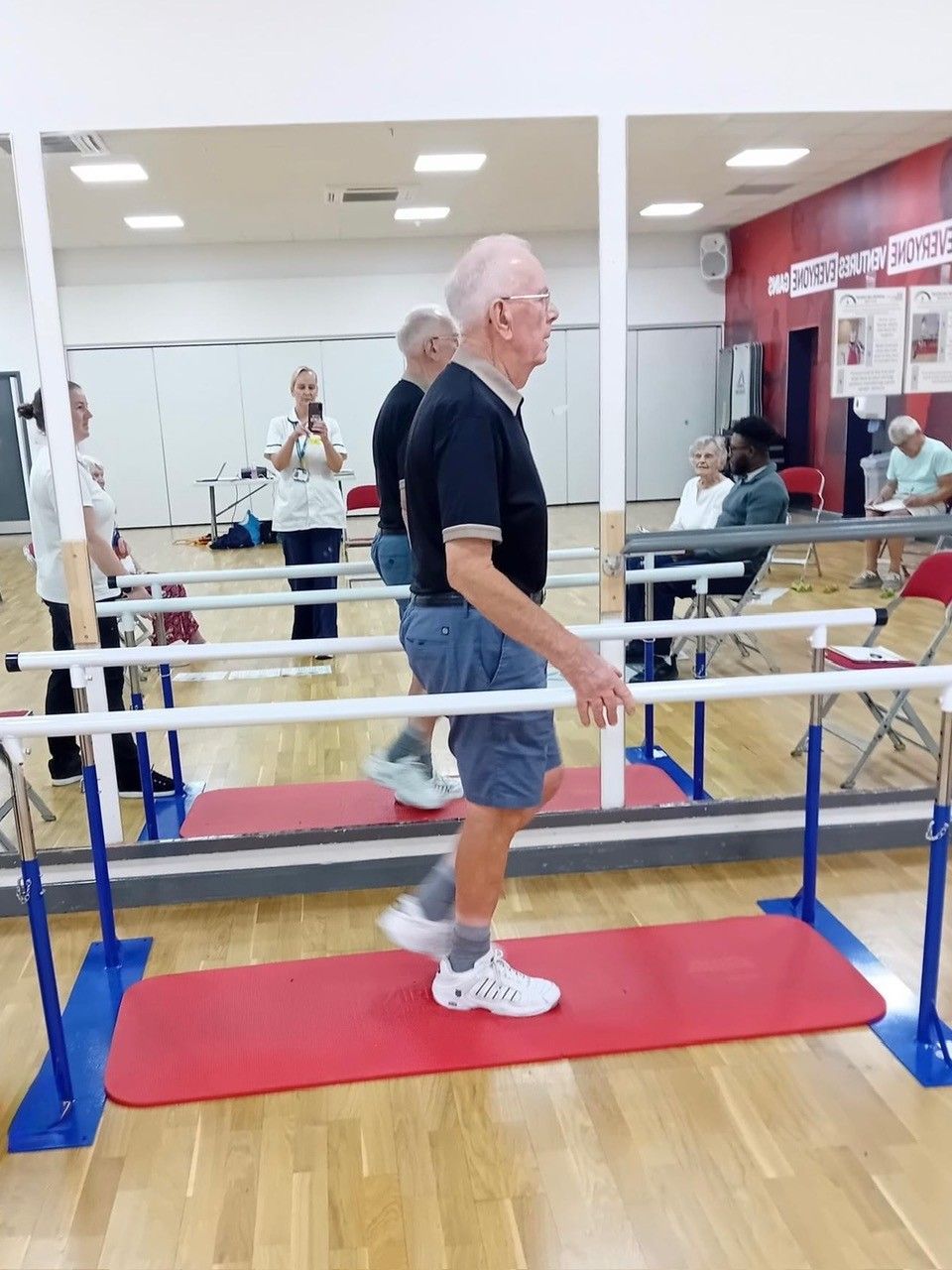
Playing an important role in recovery
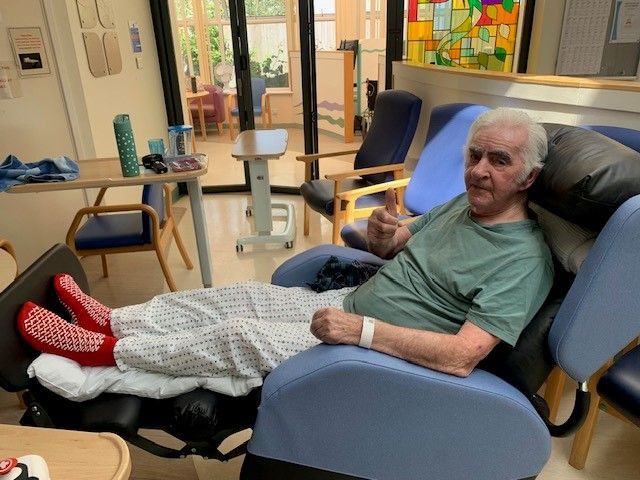
Motorised reclining chairs play a surprisingly important role in supporting elderly patients in hospitals. They’re not just about comfort; they help with safety, mobility, and recovery in several ways.
They make position changes effortless - with a simple button, the chair can tilt, recline, or lift. This reduces the physical strain on patients who may have weak muscles, joint pain, or conditions like arthritis. It also means nurses don’t have to manually reposition patients as often, lowering the risk of injury for both. They’re also key for improving circulation and preventing complications. Sitting upright or slightly reclined helps reduce the risk of issues like pressure ulcers (bed sores), which can develop when someone stays in one position too long. Adjusting posture regularly keeps blood flowing and reduces pressure on vulnerable areas. They help with standing and sitting. Many motorised recliners include a “rise and tilt” function that gently lifts the patient to a near-standing position. This is especially helpful for those recovering from surgery or dealing with balance problems, lowering the risk of falls.
Being able to sit more upright can make breathing easier for patients with conditions like chronic obstructive pulmonary disease and can aid digestion after meals. Giving patients control over their own position—even something as simple as adjusting the backrest—can improve independence and dignity, which is important for mental well-being during hospital stays. Motorised reclining chairs combine comfort with practical medical benefits, helping elderly patients stay safer, more independent, and better supported throughout their recovery. The staff and patients of the Nicol Ward are delighted with the motorised chair that was funded by the Friends'.